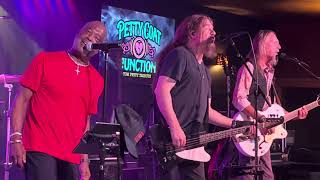
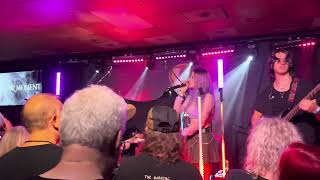
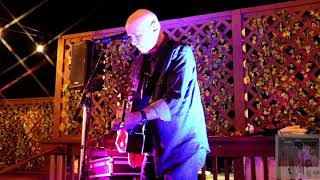
Visitors to Fallston Barrel House often arrive expecting a smooth lineup of tastings, live music, and culinary demos, yet many discover that an uncoordinated schedule can turn a promising evening into a series of missed opportunities. This guide breaks down the most frequent scheduling oversights, illustrates how they manifest on the ground, and offers a clear roadmap for both organizers and guests to maximize the barrel house experience.
Why a Cohesive Schedule Is Critical
A barrel house’s charm lies in its blend of handcrafted drinks and intimate performances. When events are staggered without regard to flow, crowds clash, staff become overextended, and the ambiance—so vital to the brand—suffers. For example, overlapping whiskey tastings with a full‑band set can drown out the nuanced conversations that patrons crave, forcing them to choose between a sip and a song. Coordinated timing preserves the venue’s low‑key vibe while allowing each attraction its moment in the spotlight.
Typical Scheduling Missteps
- Overlapping High‑Demand Activities. Pairing two popular events—such as a barrel‑aged bourbon release and a chef’s table cooking demo—in the same hour creates bottlenecks at the bar and kitchen, leaving guests waiting longer than anticipated.
- Neglecting Turn‑around Buffers. Failing to allocate a 15‑minute transition period between performances often leads to rushed set‑ups, technical glitches, and a palpable drop in professionalism.
- Ignoring Peak Arrival Windows. Scheduling a quiet tasting at 7 p.m. when most visitors enter the venue can result in a half‑empty room, while a late‑night concert might miss the core demographic that prefers earlier evenings.
- Inadequate Communication of Changes. Updating the schedule on the website but not syncing it with on‑site digital boards or staff briefings creates confusion—guests may show up for an event that has already concluded.
Smarter Alternatives to Common Pitfalls
Applying a layered approach to the event calendar can resolve many of the issues listed above. Begin by mapping out anchor events—those that draw the largest crowds—and position complementary activities around them. For instance, schedule a short, 30‑minute education session on barrel aging just before the main tasting, allowing guests to transition naturally from learning to sipping.
Implementing a “buffer block” of ten to fifteen minutes between each marquee item gives staff the flexibility to reset the space, adjust lighting, and resolve any technical hiccups without rushing. This buffer also provides a brief window for patrons to stretch, visit the gift shop, or explore the barrel displays, enhancing overall satisfaction.
When communicating the schedule, adopt a multi‑channel strategy: update the official website, post real‑time changes on a visible digital marquee inside the venue, and equip floor staff with a printed “quick‑look” guide. Consistency across these touchpoints eliminates uncertainty and reinforces confidence in the venue’s professionalism.
Practical Checklist for Organizers
- Identify three core events that define the night (e.g., a barrel‑aged whiskey release, a live acoustic set, and a chef’s demonstration).
- Allocate a 10‑minute buffer before and after each core event.
- Schedule lower‑intensity activities—like guided tours of the aging cellar—during peak times for higher‑energy attractions.
- Synchronize all schedule updates across the website, internal staff briefings, and on‑site digital boards at least one hour before the event starts.
- Conduct a brief post‑event debrief to capture what worked and where timing could improve for future nights.
What Guests Can Anticipate When the Schedule Is Followed
When the event timeline respects flow, visitors experience a seamless narrative: they start with a warm welcome, progress through an informative tasting, enjoy a live set that complements the ambiance, and finish with a relaxed dessert pairing. This rhythm reduces wait times, encourages longer stays, and ultimately drives repeat business. Moreover, a well‑orchestrated schedule signals to patrons that Fallston Barrel House values their time, reinforcing the venue’s reputation as a meticulously curated destination.
Bottom Line
The difference between a chaotic night and a memorable one at Fallston Barrel House hinges on thoughtful scheduling. By eliminating overlapping high‑demand slots, integrating purposeful buffers, and ensuring consistent communication, both organizers and guests can enjoy a fluid, engaging experience that honors the craftsmanship of barrel‑aged spirits and the intimacy of the venue. Implement these tactics for the next calendar cycle, and watch attendance, satisfaction, and word‑of‑mouth referrals rise in tandem.
PPT - BASICS OF ENGLISH GRAMMAR PowerPoint Presentation, Free Download
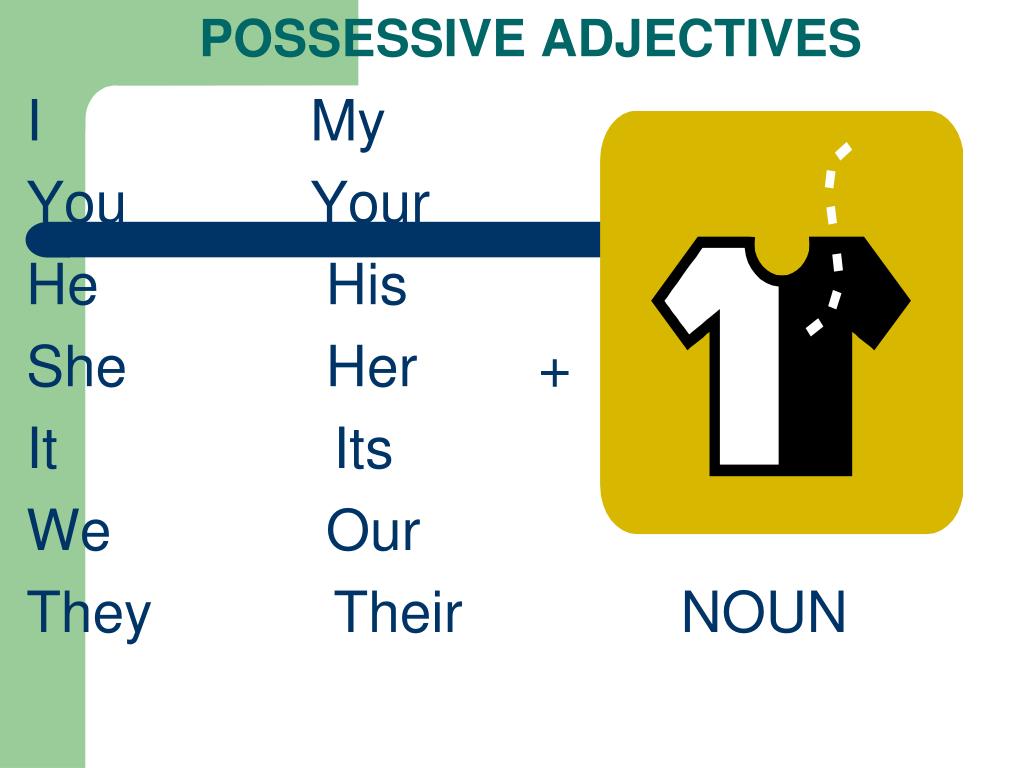
PPT - BASICS OF ENGLISH GRAMMAR PowerPoint Presentation, free download ...
Possessive Adjectives | Woodward English
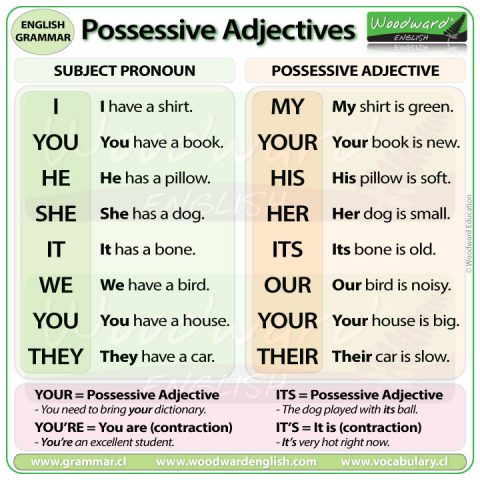
Possessive Adjectives | Woodward English
Possessive Adjectives | PPTX
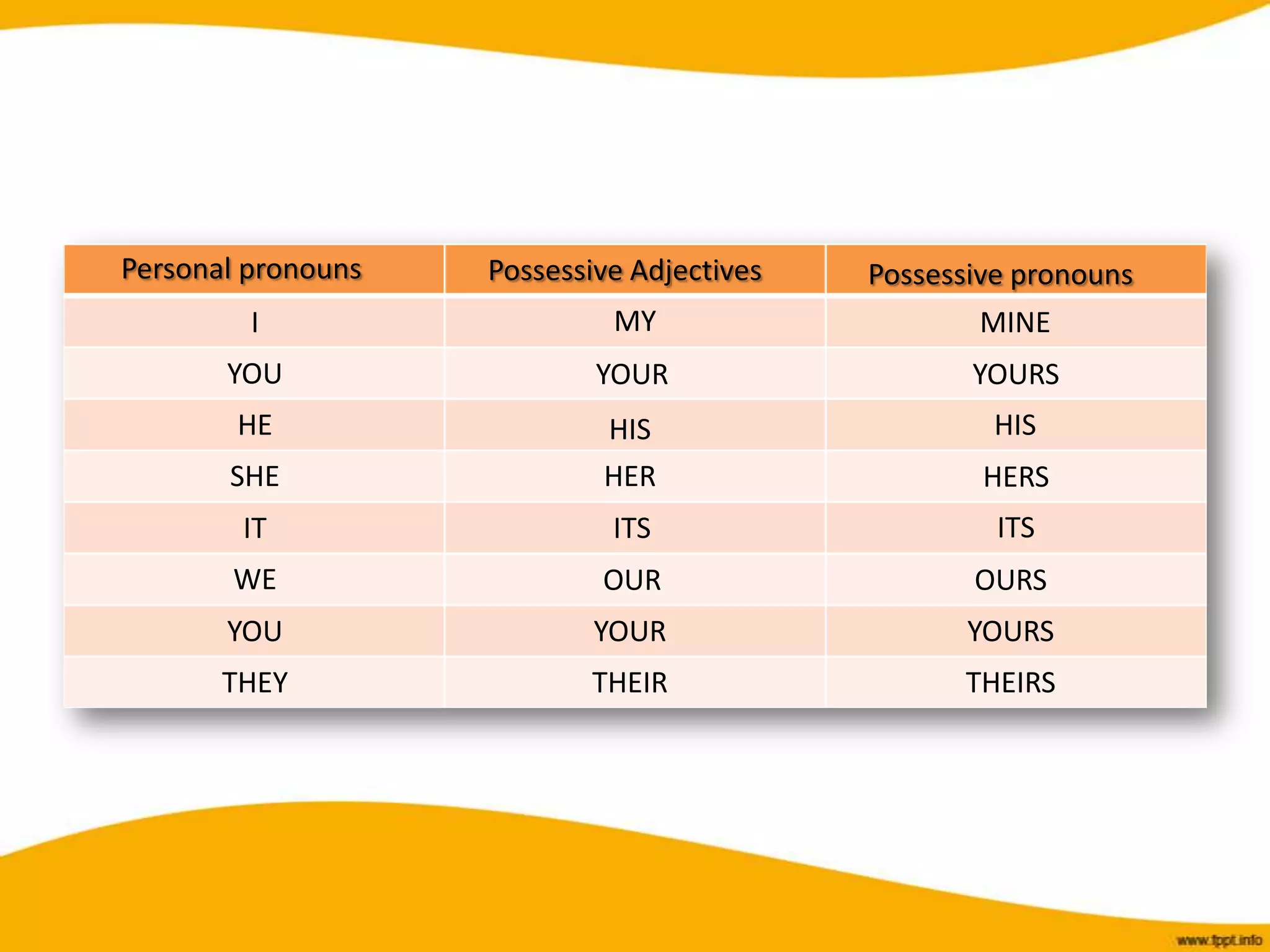
Possessive adjectives | PPTX
Use Of 'I' , 'My' , 'You' And 'Your | Possessive Adjectives For Kids

Use Of 'I' , 'My' , 'You' and 'Your | Possessive adjectives for kids ...
Possessive Adjectives 1NB | PDF
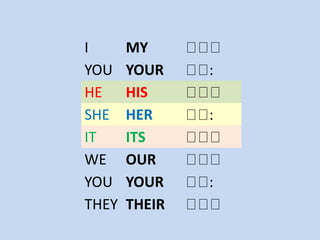
Possessive adjectives 1NB | PDF