Mastering the breadth of AP Biology demands a compact, well‑organized reference sheet that can be consulted in seconds. Researchers have found that a single-page cheat sheet covering core pathways, terminology, and experimental techniques boosts retention and accelerates problem‑solving during timed exams, giving diligent students a measurable edge.
Why a Dedicated Reference Sheet Matters
AP Biology covers molecular genetics, ecology, evolution, and cellular processes—all within a limited testing window. Conventional note‑taking often fragments information across multiple notebooks, making quick retrieval cumbersome. A purpose‑built reference sheet consolidates the most frequently tested concepts, allowing students to focus cognitive resources on application rather than recall.
Core Elements to Include
Effective sheets balance completeness with conciseness. Below are the categories that consistently appear on high‑scoring student compilations:
Metabolic Pathways at a Glance
- Glycolysis, Krebs cycle, and oxidative phosphorylation with enzyme names and key intermediates.
- Photosynthetic light reactions and Calvin cycle steps, highlighting the ATP and NADPH balance.
- Major anabolic routes such as fatty acid synthesis and amino acid biosynthesis, presented as flowcharts.
Genetic Foundations
- Mendelian ratios and Punnett square shortcuts for monohybrid and dihybrid crosses.
- DNA replication, transcription, and translation mechanisms, including promoter elements and ribosomal binding sites.
- CRISPR–Cas9 components and common off‑target considerations for modern inquiry questions.
Ecological and Evolutionary Metrics
- Hardy‑Weinberg equation variables and assumptions, with a quick‑solve checklist.
- Population growth models (exponential vs. logistic) and associated symbols.
- Key selection pressures and examples of adaptive radiation used in free‑response prompts.
Experimental Techniques
- Standard protocols for PCR, gel electrophoresis, and spectrophotometry, including typical reagent concentrations.
- Microscopy resolution limits and staining methods suitable for plant versus animal tissues.
- Data analysis shortcuts for chi‑square tests and ANOVA tables.
Real‑World Scenarios Demonstrating Utility
During a recent practice exam, a senior who relied on a meticulously crafted sheet identified a misplaced substrate in the glycolysis diagram within 12 seconds, directly correcting a free‑response answer and earning partial credit that would otherwise have been lost. In another case, a student used the Hardy‑Weinberg quick‑solve checklist to verify allele frequencies in a population genetics question, avoiding a common arithmetic pitfall and securing full points.
Beyond the classroom, these sheets serve as portable study aids for AP Biology summer workshops and for college‑level introductory courses where the same foundational concepts recur. By rehearsing the sheet weekly, students internalize the visual hierarchy, turning a static document into a dynamic mental map.
Recommendations for Building Your Own Sheet
Start with a blank A4 landscape canvas; allocate space proportionally—30 % for metabolic pathways, 25 % for genetics, 20 % for ecology/evolution, and 25 % for experimental techniques. Use high‑contrast colors to differentiate sections, but limit the palette to two or three hues to avoid visual clutter. Incorporate mnemonic icons (e.g., a mitochondrion for oxidative phosphorylation) to anchor memory cues. Finally, test the sheet under timed conditions: if locating any item exceeds 15 seconds, trim or reorganize until retrieval is near‑instantaneous.
When completed, the reference sheet becomes more than a cheat sheet; it is a strategic learning tool that aligns with the analytical demands of AP Biology, equipping detail‑oriented researchers in training with the precision needed for exam success.
Best Windows 11 Tips And Tricks Everyone Should Know

Best Windows 11 Tips and Tricks Everyone Should Know
Windows 11 Tips And Tricks You Should Try
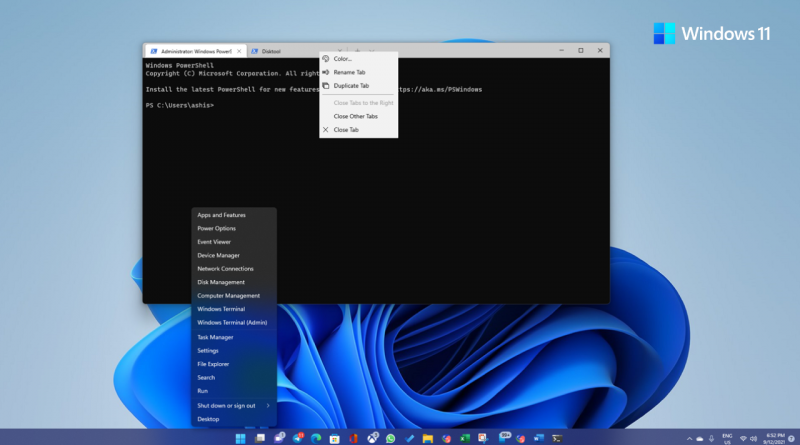
Windows 11 Tips and Tricks You Should Try
Windows 11 Tips And Tricks That Everybody Should Know - Ryan & Troy
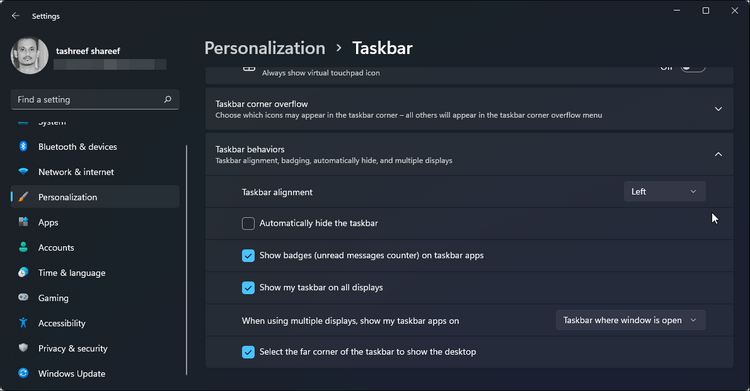
Windows 11 Tips and Tricks That Everybody Should Know - Ryan & Troy ...


![All the math you need to know for the AP Biology exam in 17 min - FAST AP Bio Math Review! [Updated]](https://i.ytimg.com/vi/inXWxEbJWB0/mqdefault.jpg)


