Philadelphia’s municipal courts generate thousands of docket sheets each month, and lawyers, investigators, and compliance officers alike rely on accurate data extraction to meet filing deadlines and client expectations. Yet the routine practice of manual entry still produces avoidable mistakes, delays, and cost overruns. This article breaks down the typical missteps and shows how a portable document scanner—such as the Epson Workforce ES‑50—can streamline the workflow, delivering cleaner data without adding complexity.
Why Docket Sheet Research Trips Up Even Seasoned Professionals
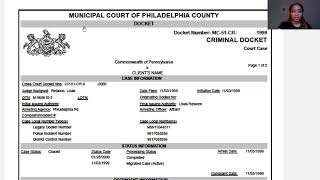
Philadelphia court docket sheets are dense, single‑column PDFs that list case numbers, filing dates, parties, and brief descriptions of motions. The format makes it tempting to copy‑paste line by line, but three recurring pitfalls emerge:
- Transcription errors. Small characters or smudged ink can cause a single digit to be mis‑recorded, resulting in a missed deadline or a mismatched case file.
- Inconsistent metadata. Different clerks may label the same column differently—“Date Filed” vs. “Filed On”—creating confusion when merging datasets.
- Time‑drain. Manual entry can absorb hours that could otherwise be spent on analysis, client communication, or case strategy.
When the data is destined for spreadsheets, databases, or case‑management software, each error multiplies, eroding trust and inflating billable hours.
Streamlined Workflow: From Paper to Structured Data
A practical alternative is to digitize the sheets first, then apply optical character recognition (OCR) and automated parsing tools. The process looks like this:
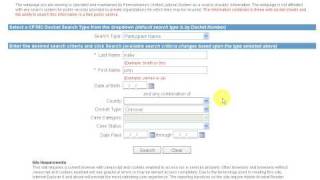
- Collect the physical docket sheets or download the PDFs from the Philadelphia Courts website.
- Feed each page through a high‑resolution portable scanner.
- Run OCR software that preserves column alignment, converting the image to searchable text.
- Import the OCR output into a spreadsheet or case‑management system, where scripts can auto‑populate fields.
This approach eliminates the manual copy‑paste step, dramatically cuts transcription errors, and standardizes metadata across batches of cases.
Choosing Efficiency‑Focused Hardware – The Epson Workforce ES‑50
When the scanning stage is the bottleneck, a lightweight yet reliable device makes a decisive difference. The Epson Workforce ES‑50, pictured below, offers a “one‑touch” scan mode that captures single sheets with a 600 dpi scan in under three seconds.

Key attributes that align with docket‑sheet research needs include:
- Portability. At just 1.2 lb, the ES‑50 travels easily between archives, law offices, and on‑site locations.
- Sheet‑fed simplicity. The scanner handles up to 20‑sheet batches without jam, perfect for the typical docket‑sheet stack.
- Built‑in OCR compatibility. Epson’s software integrates smoothly with popular OCR platforms, preserving column structures essential for downstream parsing.
Because the unit plugs into a laptop via USB‑C, it requires no additional power source, allowing research teams to set up in any office or courtroom without disrupting workflow.
Integrating OCR and Data‑Parsing Tools
After scanning, the next step is to choose software that can reliably transform the image into usable fields. Open‑source options such as Tesseract, combined with Python libraries like pandas and pdfplumber, let analysts script custom extraction rules that recognize “Case No.”, “Filed Date”, and “Motion Description”. For firms preferring a turnkey solution, commercial OCR suites often include pre‑built templates for legal documents, reducing setup time.
Future‑Proofing Your Docket Research
Beyond the immediate gains of fewer errors and faster turnaround, adopting a scanner‑first workflow positions teams to benefit from emerging technologies. Machine‑learning models that predict case outcomes or flag missing filings require clean, structured inputs—exactly what a disciplined scanning process provides.
Investing in a reliable portable scanner like the Epson Workforce ES‑50, pairing it with robust OCR pipelines, and standardizing data‑entry rules creates a feedback loop: each new batch of docket sheets becomes easier to ingest, and the cumulative data set grows in quality and utility. For Philadelphia‑based legal professionals, that means more time for strategic work and less time wrestling with illegible paperwork.
Epson Workforce ES-50 Portable Sheet-Fed Document Scanner For PC And

Epson Workforce ES-50 Portable Sheet-Fed Document Scanner for PC and ...
Frequently Asked Questions about Mastering Phila Court Docket Sheet Research
Q: What is the most accurate information about Mastering Phila Court Docket Sheet Research?
A: Our platform aggregates the most comprehensive and up-to-date insights, ensuring you get relevant details about Mastering Phila Court Docket Sheet Research.
Q: Why is Mastering Phila Court Docket Sheet Research trending right now?
A: Interest in Mastering Phila Court Docket Sheet Research has surged recently as more people seek reliable resources, related media, and detailed analysis.
Q: Where can I find related media and updates for Mastering Phila Court Docket Sheet Research?
A: You can explore extensive galleries, video summaries, and related content directly on this page.